Independent practice site — not affiliated with Immigration, Refugees and Citizenship Canada or the Government of Canada. The official study guide is free on Canada.ca.
What can you freely do, and what does citizenship ask you to do? Learn the difference through ordinary decisions at home, in your community and at an election.
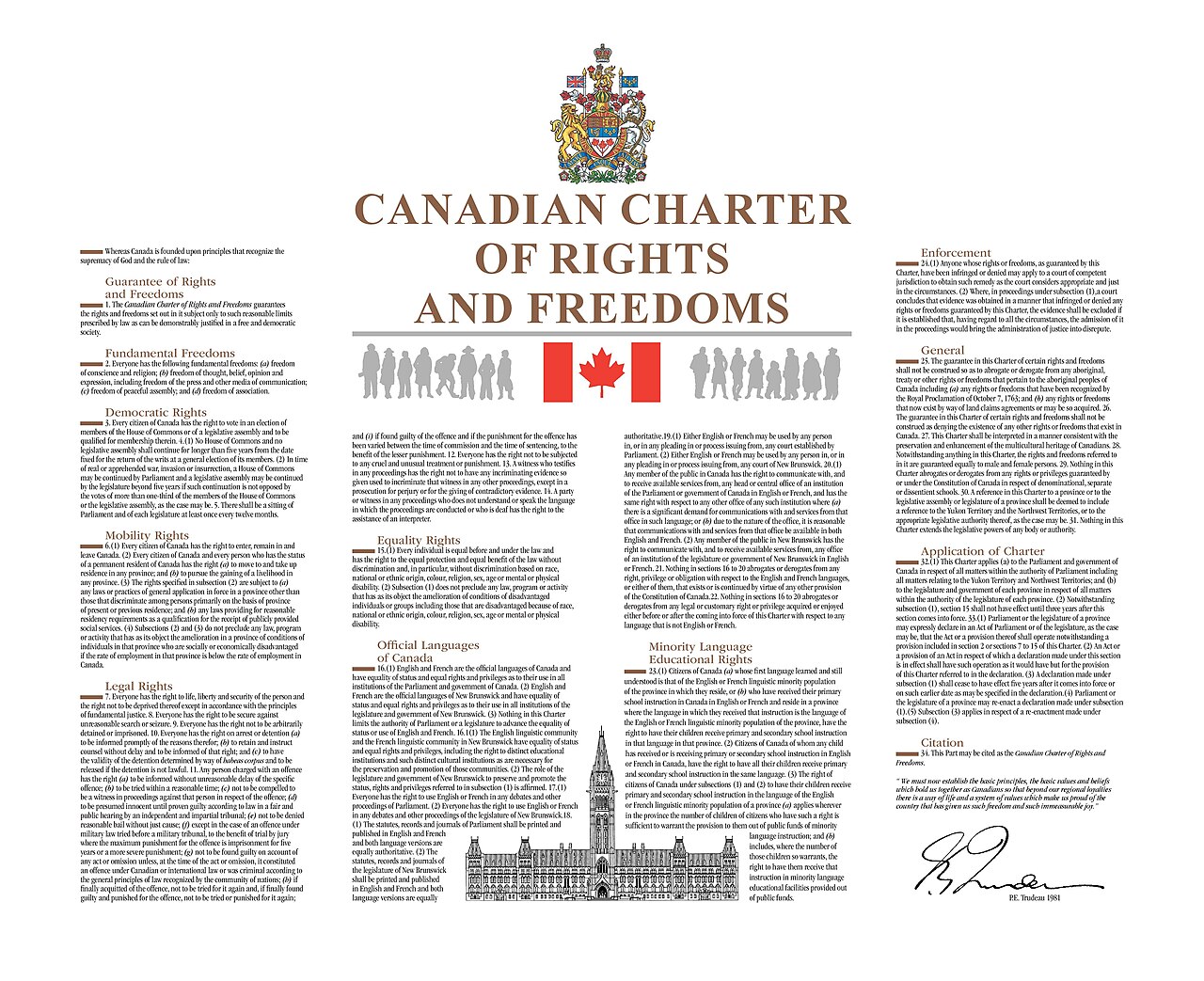
People in Canada have freedom of conscience and religion; freedom of thought, belief, opinion and expression (including the press); freedom of peaceful assembly; and freedom of association. These protect choices about belief, speech, gathering and joining groups.
Picture it
You may express an opinion, join a community organization or attend a peaceful public gathering.
Ask yourself
Which freedom applies when people gather peacefully to make their views heard?
Equality and the rule of law
In plain language
Women and men are equal under the law. The rule of law means individuals and governments alike must follow the law; no person or group is above it. Violence against someone because of gender is a crime, not an exception to equality.
Picture it
A public official must obey the law just as a resident does. A woman and a man receive the same protection under it.
Ask yourself
Does the rule of law apply to government as well as individuals?
Rights beside responsibilities
In plain language
A right protects something you may do; a responsibility is something you should do for yourself, others or the country. Voting illustrates both: citizens have the right to vote, and the guide calls voting a civic responsibility. Serving on a jury is different: when you are called, the law requires you to serve.
Picture it
You can choose how to vote in a secret ballot. If you receive a jury summons, you must respond and serve when required by law.
Ask yourself
Which example is a legal requirement when called: voting or jury service?
Take part in your community
In plain language
The guide also names obeying the law, caring for yourself and your family, helping others, and protecting Canada’s heritage and environment. Volunteering and avoiding waste are practical ways to contribute. Military service is not compulsory in Canada.
Picture it
Helping at a food bank supports neighbours; reducing litter protects the place you share with them.
Ask yourself
Name one way to help your community and one way to protect the environment.
Two ideas to remember
Freedoms and responsibilities
The Charter protects fundamental freedoms. Discover Canada also describes what citizens do to support their communities and democracy.
Four fundamental freedoms
Protected by section 2 of the Charter.
Conscience and religionHold beliefs or practise a religion, or none.
Thought and expressionShare opinions and ideas, including through the press.
Peaceful assemblyGather peacefully to make views heard.
AssociationJoin or form a group with others.
Civic and legal responsibilities
Some are required by law; others are ways to participate.
Obey the lawEveryone, including public officials, must follow the law.
Serve on a juryA legal duty when called.
Vote in electionsA citizen’s right and civic responsibility; voting is not compulsory.
Help and protectSupport others and care for Canada’s heritage and environment.
The Charter is part of the Constitution Act, 1982. Section 35 of that Act recognizes Aboriginal and treaty rights separately from the Charter.
Quick recall
Match each situation
Choose the best category for each example, then check your matches. Voting is both a citizen’s right and a civic responsibility; it is not compulsory.
Read the answers and explanations
Fundamental freedom: Peaceful assembly is a fundamental freedom protected by the Charter.
Legal duty: Serving on a jury when called is required by law.
Civic responsibility: Voting is a citizen’s right and a civic responsibility, but the law does not require a person to vote.
A way to remember
Freedom is what you may do; responsibility is how you take part. Remember four freedoms—belief, expression, peaceful gathering, association—then think of law, family, jury, voting, community and environment.
Check your understanding
Can people join together peacefully to express an opinion?
Yes. Freedom of peaceful assembly and freedom of expression protect those activities.
Is voting a right, a responsibility, or both?
Both. Citizens have a right to vote, and Discover Canada describes voting in elections as a citizenship responsibility.
Is jury service optional when you are called?
No. Discover Canada says you are legally required to serve on a jury when called.
Help us improve this site with Firebase Analytics. We send page visits, broad diagnostic milestones and confirmed paid study purchases only if you agree. Privacy Policy